Project Description

Product Name: Alloy Steel Finned Tubes
- Leave Your Message
Alloy Steel Finned Tubes: Comprehensive Guide for Industrial Heat Transfer
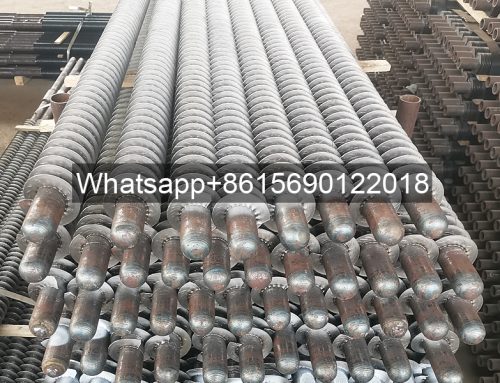
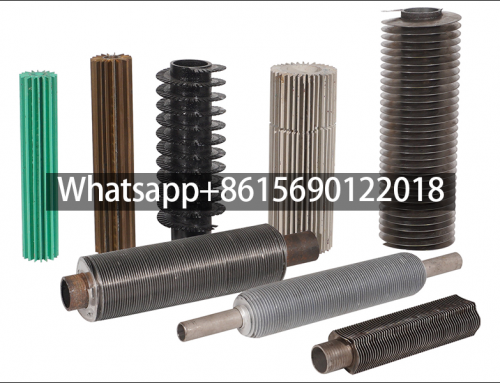
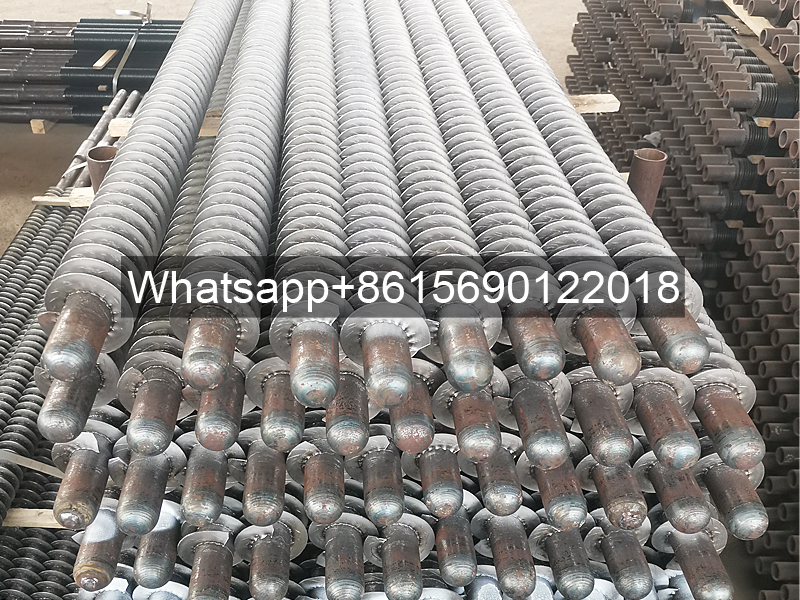
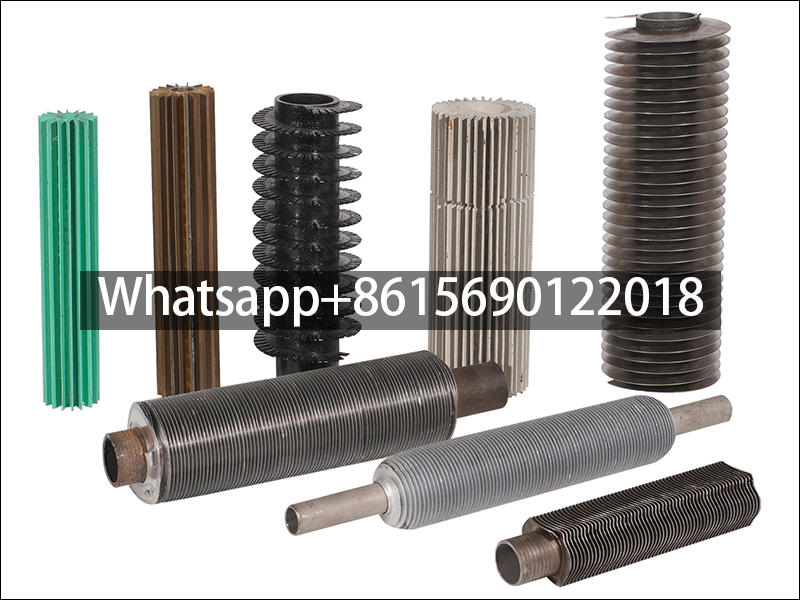
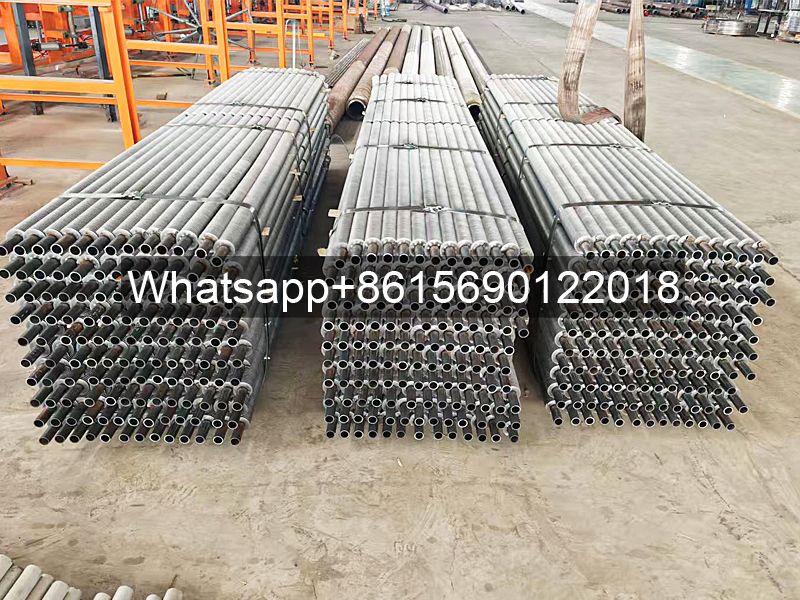
Alloy steel finned tubes represent a cutting-edge solution in heat exchanger technology, combining the strength of steel alloys with enhanced thermal performance. This detailed guide explores their engineering characteristics, technical specifications, and real-world applications to help professionals make informed decisions for industrial thermal management systems.
1. Structural Composition and Thermal Advantages
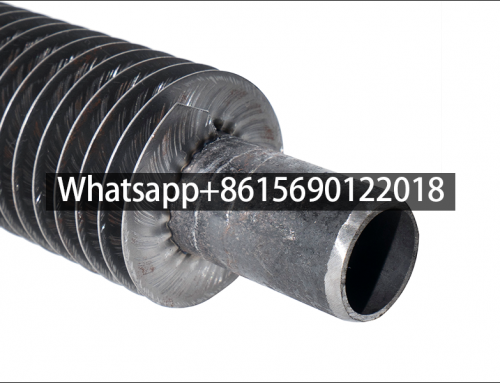
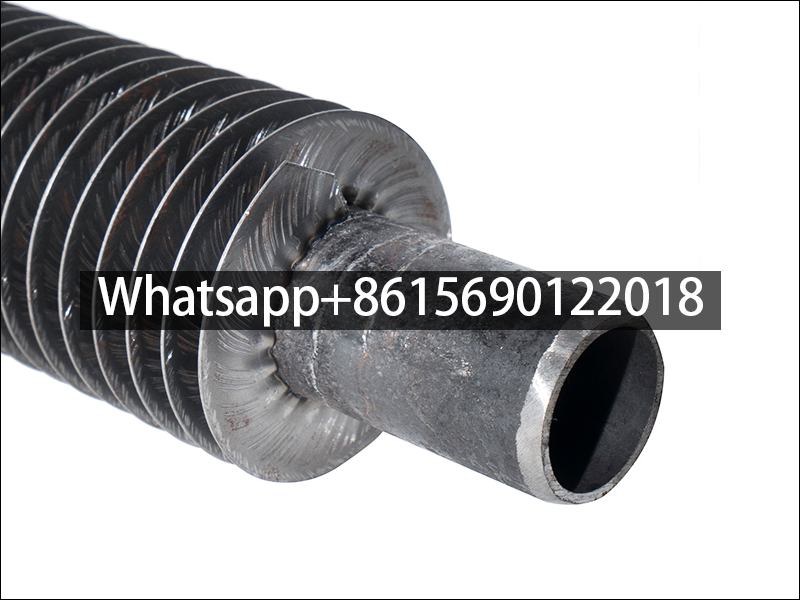
Alloy steel finned tubes consist of two primary components:
- Base tube: Made from high-grade alloy steel (typically ASTM A213 T11/T22) for exceptional pressure resistance and durability
- Finned layer: Usually aluminum (6063-T5) or copper (TP2) alloys bonded through mechanical expansion or high-frequency welding processes
The alloy steel construction delivers:
- 50-70% higher heat transfer efficiency compared to plain carbon steel tubes
- 40% weight reduction versus solid steel alternatives
- Superior thermal cycling performance withstanding -50°C to 400°C temperature ranges
- Extended service life in corrosive environments due to protective oxide layers
2. Key Performance Specifications
| Parameter | Standard Range | High-Performance Options |
|---|---|---|
| Material Grade | ASTM A213 T11/T22 | Super alloys (Inconel 625) |
| Outer Diameter | 19-50mm | Custom up to 219mm |
| Fin Height | 12-25mm | 5-32mm (Hi-fin designs) |
| Fin Spacing | 2.5-5mm | 1.5-8mm (anti-fouling) |
| Surface Area Ratio | 3:1 to 5:1 | Up to 8:1 (optimized) |
| Max Working Pressure | 4.0MPa | 6.0MPa (HP series) |
| Thermal Conductivity | 35-45 W/m·K | 50+ W/m·K (copper fins) |
3. Real-World Application Case Studies
Case Study 1: Power Plant Heat Recovery
A 800MW combined-cycle power plant implemented alloy steel finned tubes in their waste heat recovery system:
- 15% efficiency gain in energy conversion
- 20% reduction in stack emissions
- 2.5-year payback period through fuel savings
Case Study 2: Petrochemical Processing
An ethylene cracker cooling system upgrade featured alloy steel finned tubes with:
- 40% improvement in temperature control accuracy
- Extended maintenance intervals from 6 to 18 months
- 25% decrease in cooling water consumption
Case Study 3: District Heating Network
A municipal district heating project used alloy steel finned tubes for heat exchangers:
- 12% lower heat loss over 15km pipelines
- 30% space savings in substations
- 15-year service life with minimal degradation
4. Material Selection Guidelines
For optimal performance, consider these alloy steel finned tube configurations:
| Application | Recommended Configuration | Performance Benefits |
|---|---|---|
| High-Temperature | T22 alloy base + aluminum fins | Withstands up to 400°C |
| Corrosive Environments | 316L stainless base + copper fins | Excellent chemical resistance |
| High-Pressure Systems | T11 alloy with integral fins | 6.0MPa rating |
| Condensing Services | Enhanced surface fin patterns | 20% better condensation |
5. Installation and Maintenance Best Practices
- Pre-commissioning: Perform hydrostatic test at 1.5× design pressure
- Cleaning: Use low-pressure air