The Influence of Fin Height and Density on Corrosion Resistance
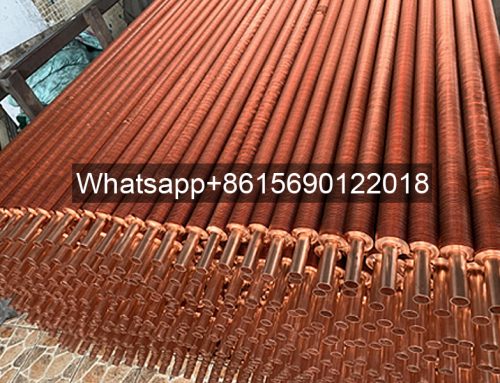
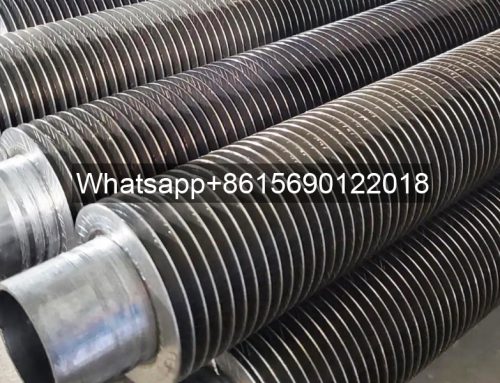
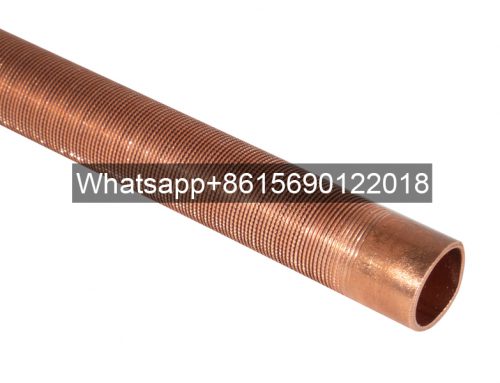
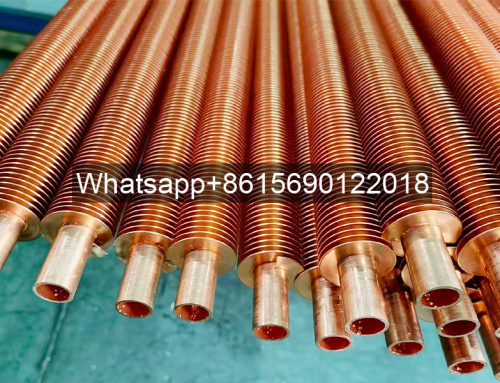
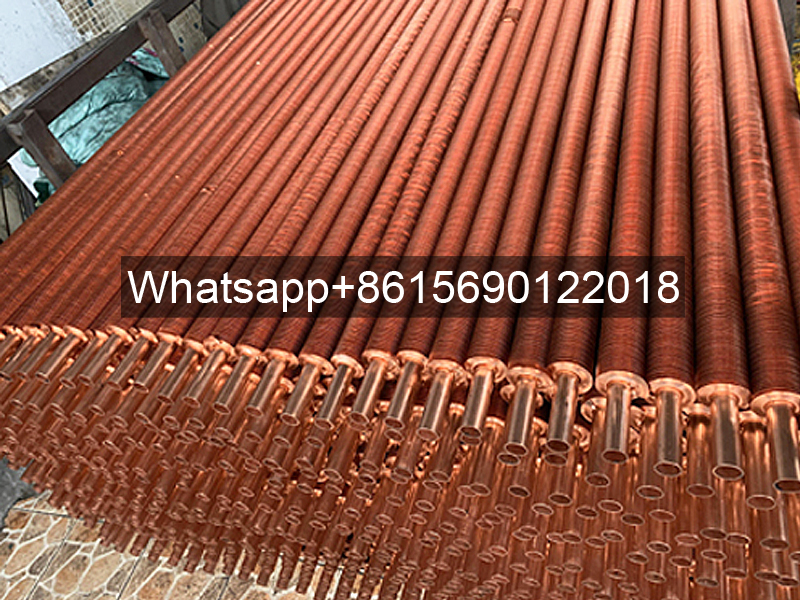
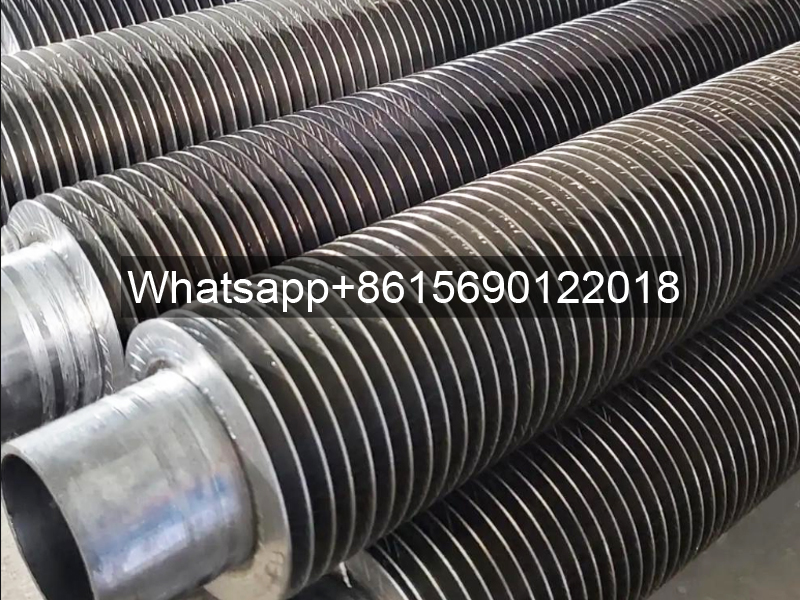
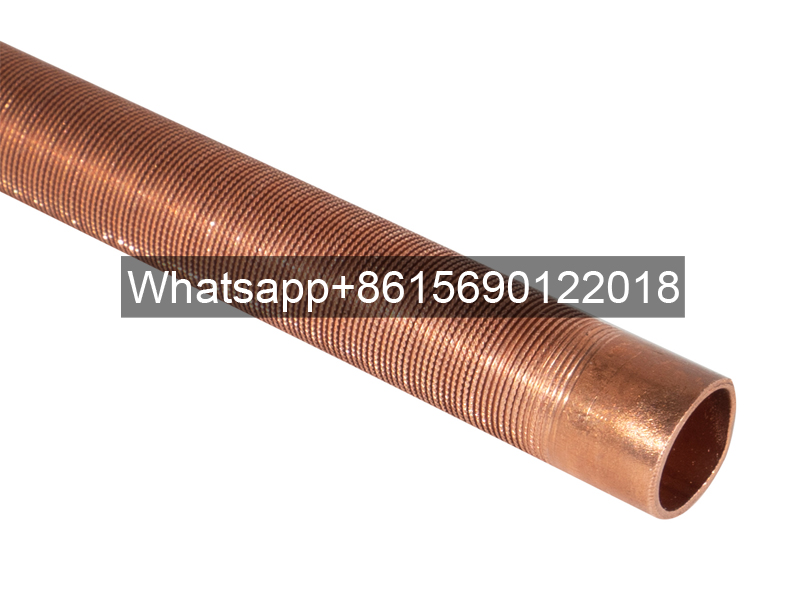
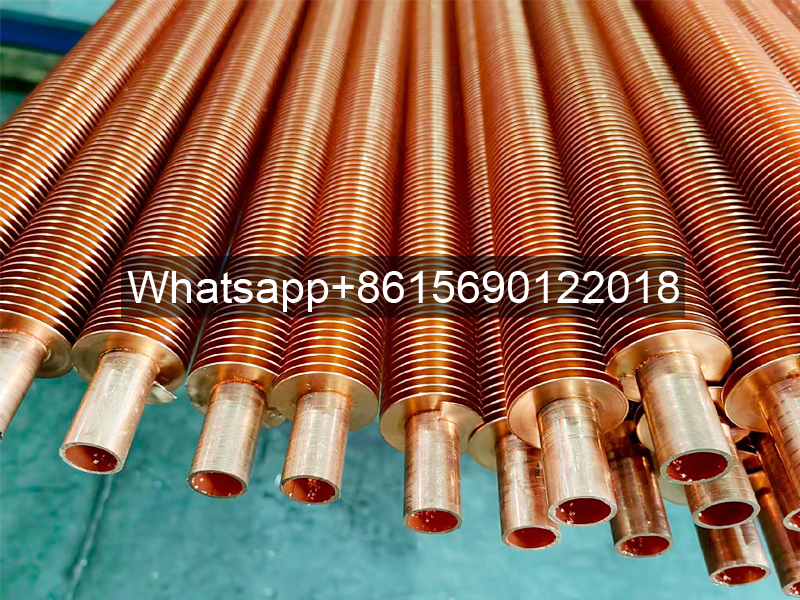
The fin height and density of extruded finned tubes do indeed have a certain impact on their corrosion resistance.
From the perspective of the corrosion mechanism, corrosion is often related to the adhesion and retention of the medium on the material surface, as well as electrochemical reactions.
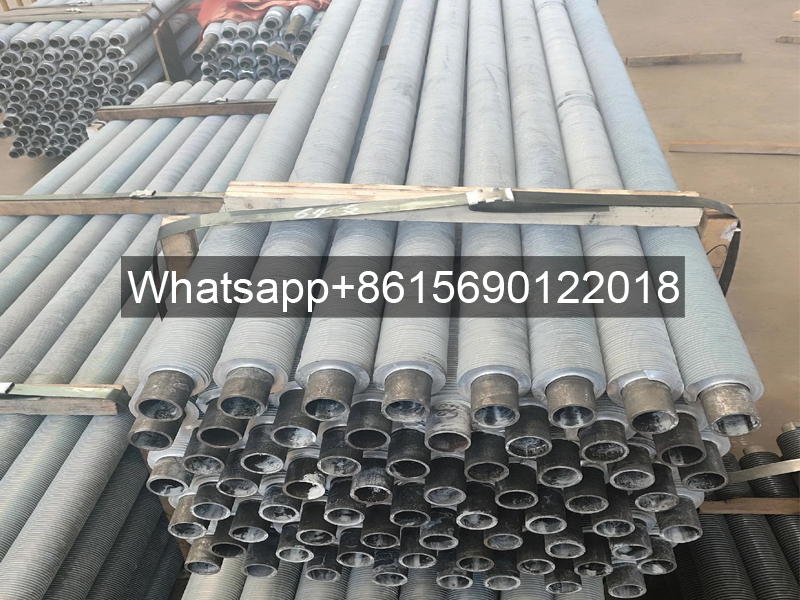
When the fin height is high and the density is high, the gaps between the fins become smaller. When the fluid flows between the fins, turbulence or fluid stagnation can easily occur in these gaps.
If the medium is corrosive, the contact time between the retained corrosive medium and the fin surface increases, and turbulence may scour the passivation film (if one is formed) on the fin surface, damaging the passivation film and making the metal substrate more susceptible to corrosion.
Conversely, if the fin height is moderate and the density is reasonable, the fluid can flow more smoothly between the fins, reducing the retention of the medium and avoiding excessive turbulent scouring.
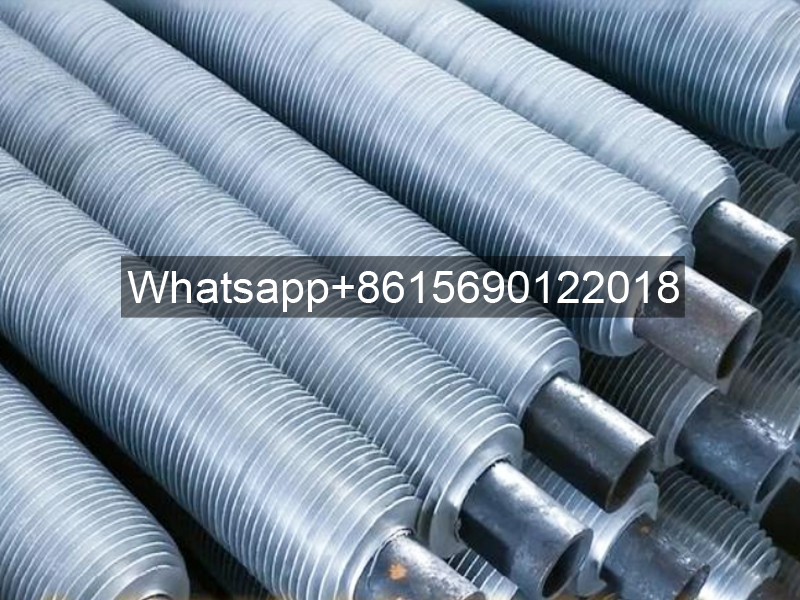
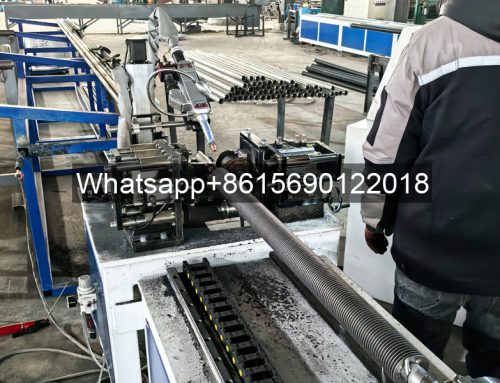
Fin height and density also affect the surface stress distribution of the finned tube. Excessively high fins or overly dense arrangements may cause significant internal stress in the fins during manufacturing or use. Areas of stress concentration are often more prone to corrosion, such as stress corrosion cracking.
Therefore, when designing extruded finned tubes, it is necessary to consider both heat transfer requirements and corrosion resistance to determine the appropriate fin height and density.