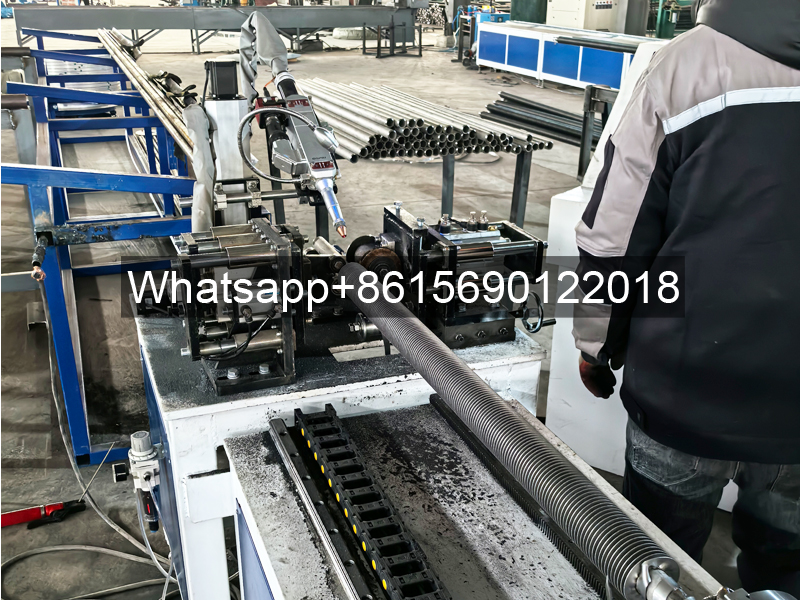
Longitudinal finned tube for heat exchanger
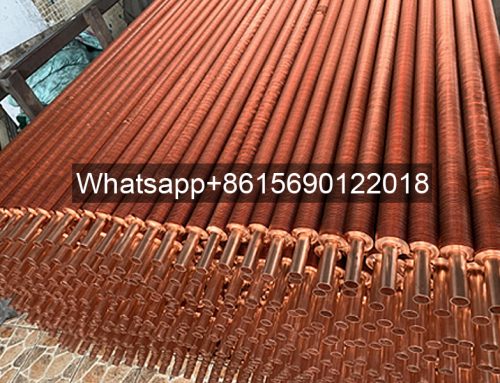
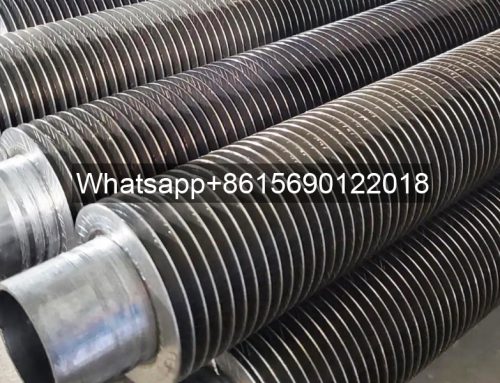
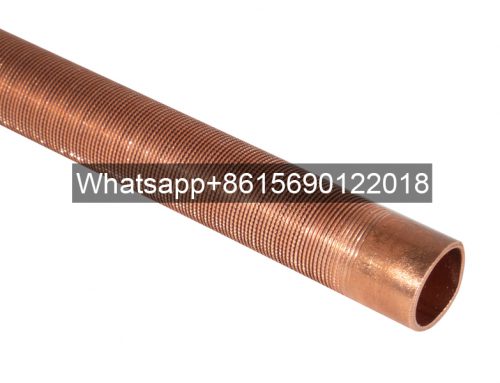
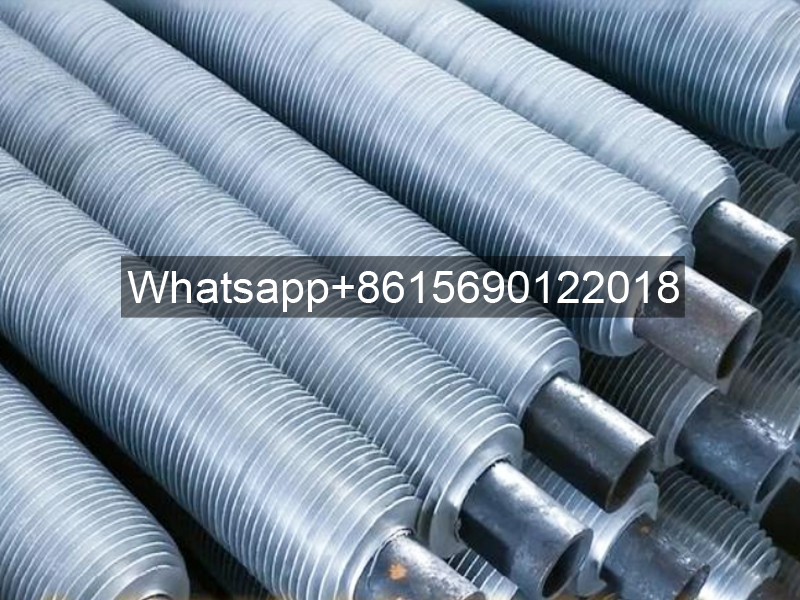
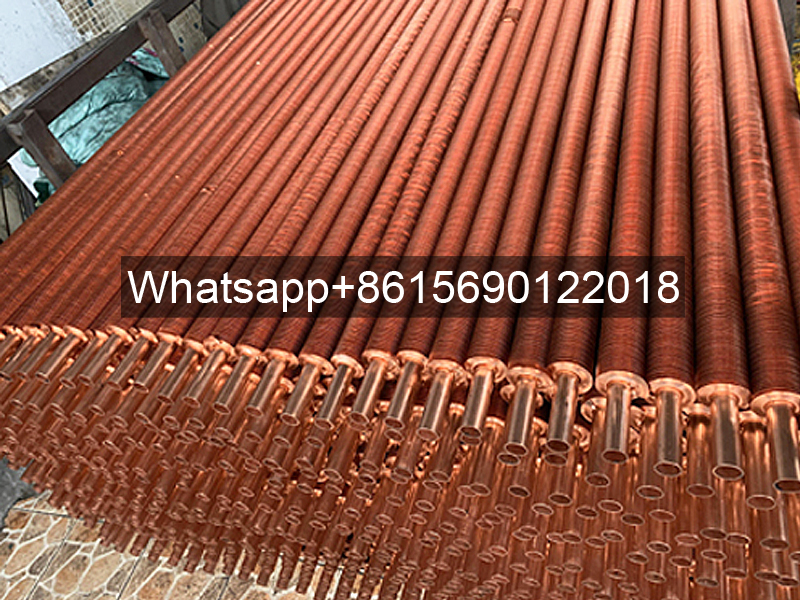
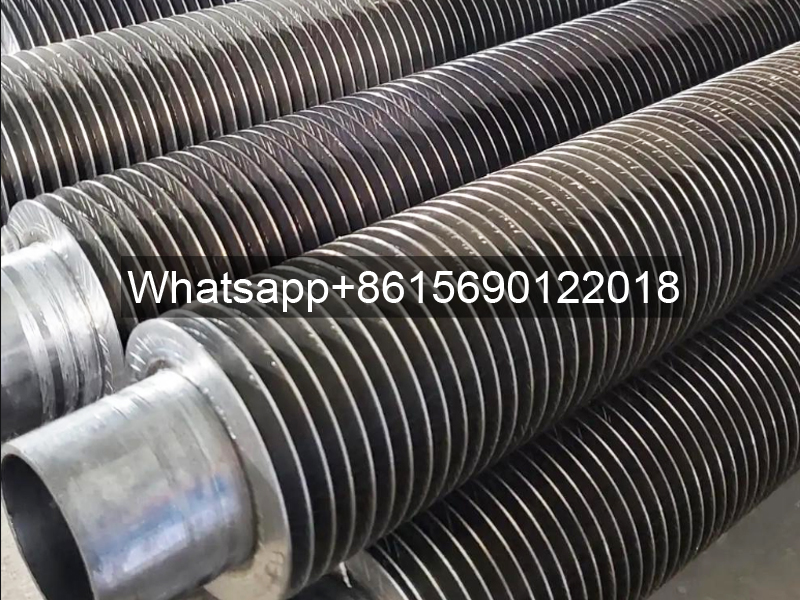
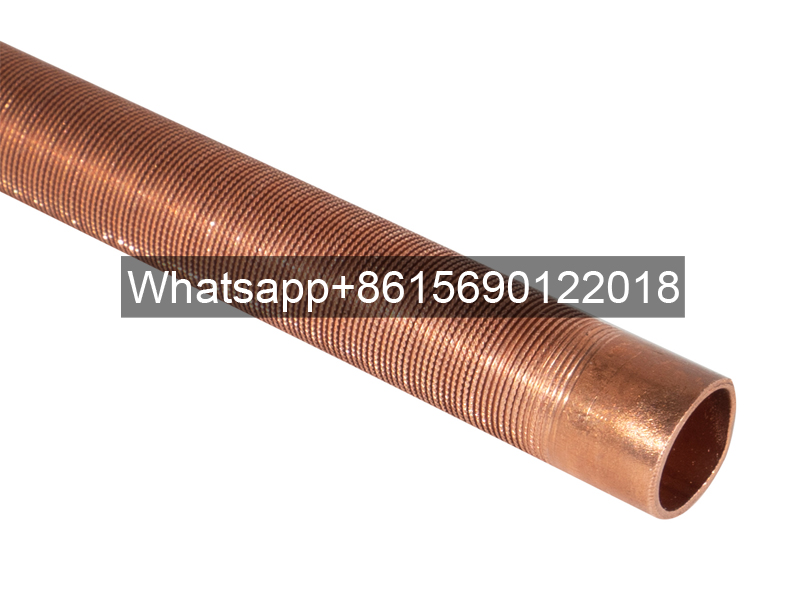
Longitudinal finned tube is a highly efficient heat exchange element, mainly used to improve heat exchange efficiency and heat exchange surface area. It forms a fin structure by welding thin metal sheets on the base tube, thereby greatly increasing the heat exchange area and improving the heat exchange efficiency.
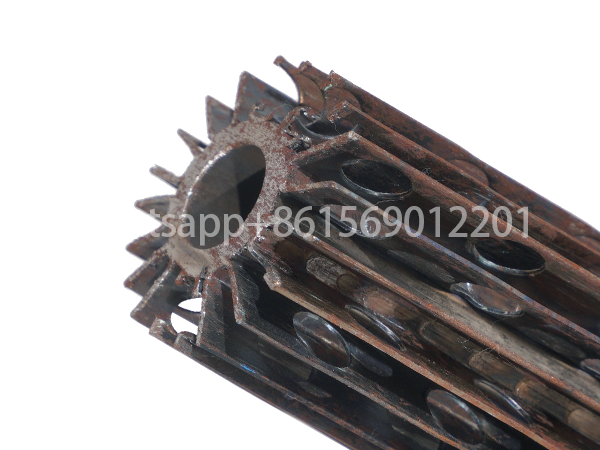
Longitudinal open hole finned tube
The fins are evenly distributed on the outer wall of the base tube with multiple “U”-shaped fins, each with a “U”-shaped fin.
It is formed by two straight plates and a bottom plate arranged between the two straight plates. Each fin with a “U”-shaped cross section is arranged along the length direction of the base tube and the bottom plate is welded and fixed to the base tube. A pair of elliptical through holes are arranged on the two straight plates, and the centers of the two elliptical through holes on each straight plate are not on the same horizontal line.
Effect of longitudinal perforated fin tube
Because the through holes are added to each fin, the disturbance of the air is enhanced, which promotes better heat dissipation, heat exchange, improves the heat exchange rate, saves resources, and reduces weight and saves costs while enhancing the effect.
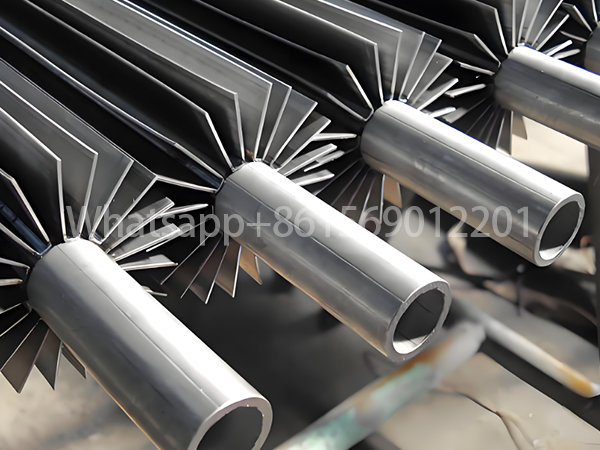
Structural features of longitudinal fin tube
The fins of the longitudinal fin tube are arranged along the longitudinal direction of the base tube to form a structure similar to fish scales.
This structure can increase the heat exchange surface area, improve the heat conduction efficiency, and thus enhance the heat exchange capacity. High-frequency welding technology ensures the close combination between the fin and the base tube, and improves the strength and durability of the fin tube.
Manufacturing process of longitudinal fin tube
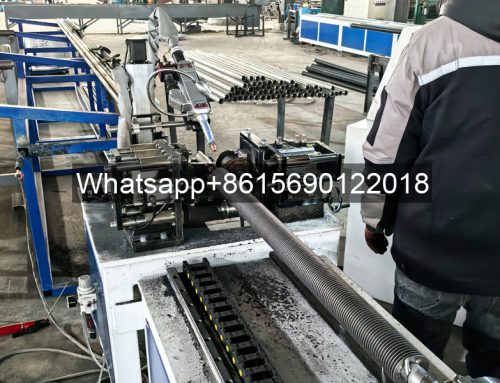
High-frequency welding technology is the key process for manufacturing longitudinal fin tubes.
It uses the skin effect and proximity effect generated by high-frequency current to make the fins and base tubes reach high temperature in a short time and achieve molten welding, ensuring the close combination of the fins and base tubes.
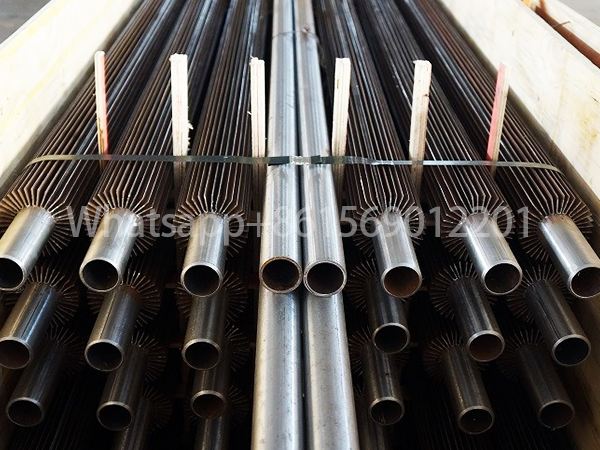
Application fields of brown fin tubes
Brown fin tubes are widely used in industrial production, especially in places with high requirements for heat exchange efficiency, such as chemical, petroleum, and electric power industries.
Brown fin tubes are often used in equipment such as air heaters, coolers, and waste heat recovery devices, which can significantly improve the thermal efficiency of equipment, reduce energy waste, and reduce operating costs.
Advantages and limitations of longitudinal fin tubes
The advantages of longitudinal fin tubes include efficient heat exchange performance, good corrosion resistance, and stable operating performance.
The limitation of longitudinal fin tubes is that high-frequency welding technology is required during the manufacturing process, which may increase production costs. In addition, although its corrosion resistance is good, special attention should be paid to maintenance and care in some extreme environments.
As a longitudinal finned tube manufacturers, Datang guarantees that every finned tube is qualified before leaving the factory. You are welcome to visit our factory.