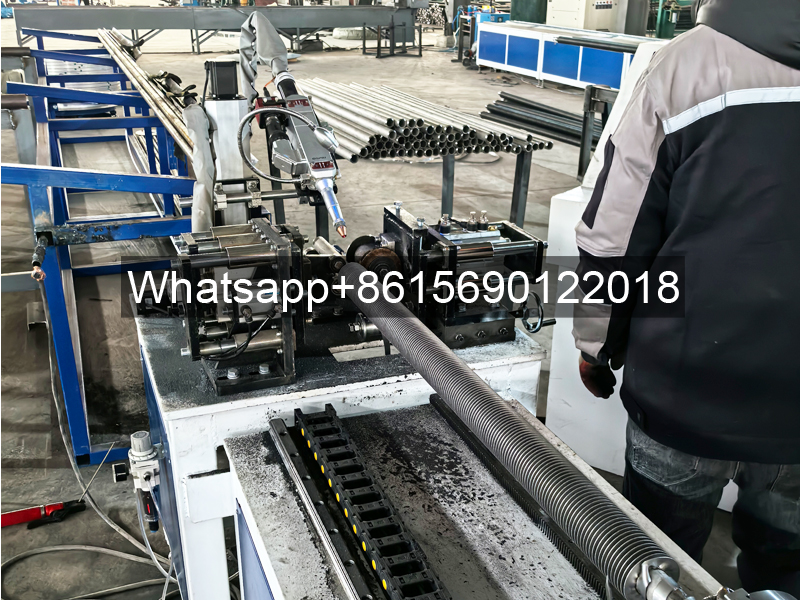
Enhancing Heat Transfer Efficiency: Cooling Fins for Pipe Systems
Enhancing Heat Transfer Efficiency: The Essential Guide to Cooling Fins for Pipe Systems
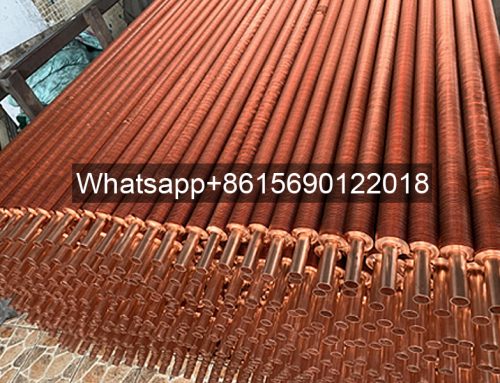
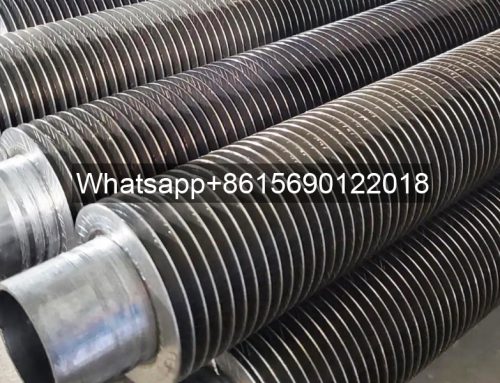
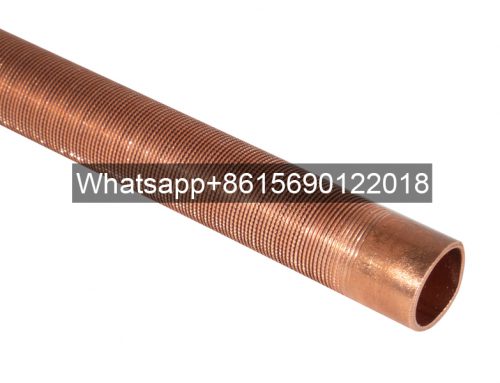
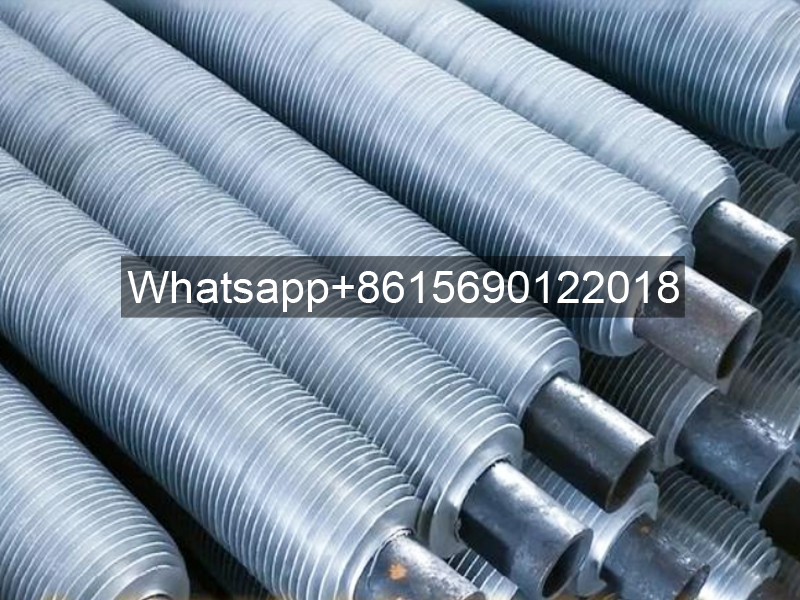
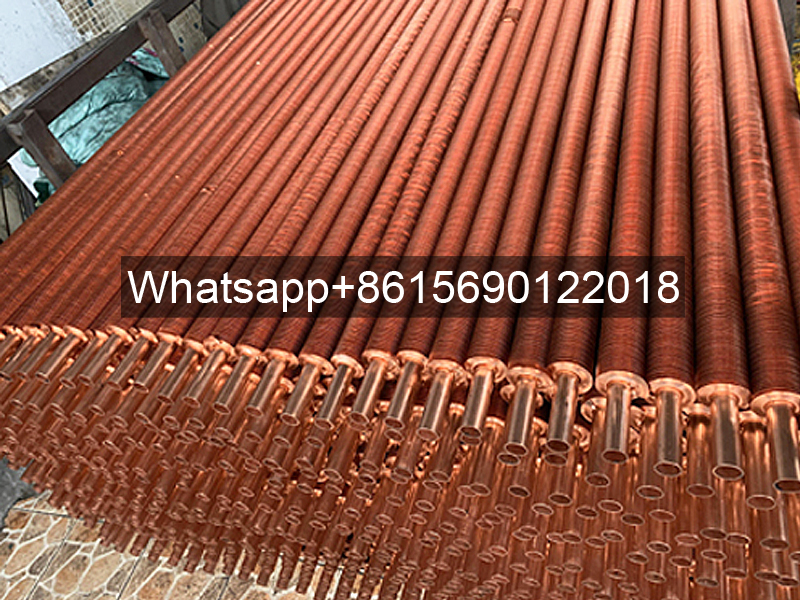
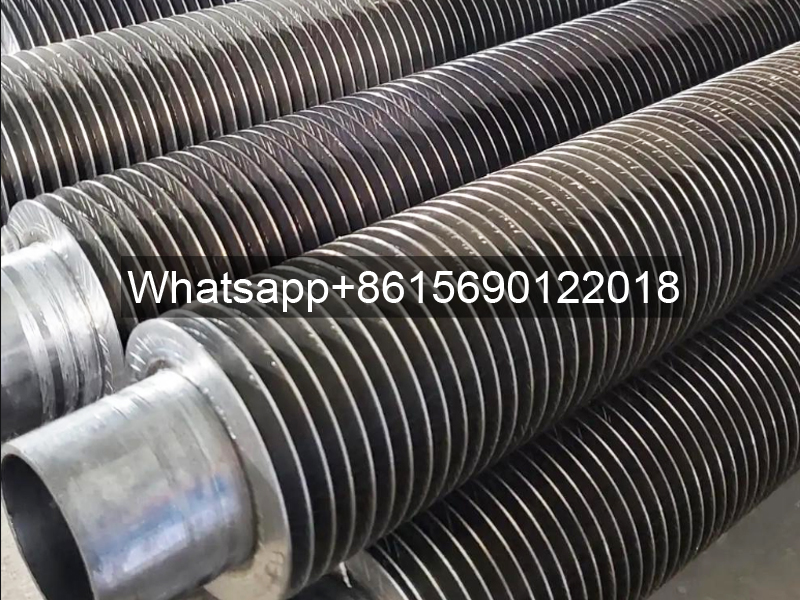
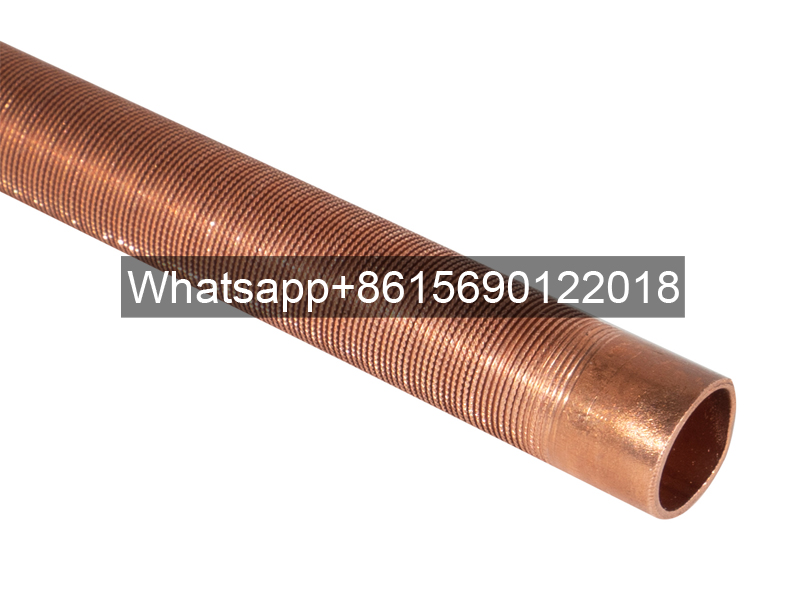
Cooling fins for pipe are pivotal components in thermal management systems, designed to significantly improve heat transfer efficiency by maximizing surface area exposed to air or fluid. These fins are engineered to meet diverse industrial demands, offering solutions for temperature control in challenging environments. Below, we explore their material composition, technical specifications, and wide-ranging applications, followed by a discussion on their advantages and real-world examples.
Material Composition and Technical Specifications
Cooling fins for pipe are crafted from durable materials selected based on environmental conditions and performance requirements. Common materials include:
- Aluminum: Lightweight and highly conductive, ideal for general-purpose applications where corrosion resistance is moderate.
- Galvanized Steel: Provides robust durability against rust and wear, suited for harsh industrial settings.
- Stainless Steel Alloys: Offers superior corrosion resistance and strength, perfect for high-temperature or chemically aggressive environments.
Technical specifications vary by design, but key parameters include:
- Surface Area Enhancement: Fins increase the pipe’s contact area with cooling media, boosting heat dissipation rates.
- Structural Design: Typically as elongated thin plates or louvered patterns, arranged to optimize airflow and water distribution.
- Temperature Tolerance: Engineered to withstand extreme operational temperatures, ensuring reliability in heat exchanger systems.
A comparison of common materials and their typical applications is summarized in the table below:
| Material | Key Properties | Common Applications |
|---|---|---|
| Aluminum | Lightweight, good conductivity | HVAC systems, light industrial heat exchangers |
| Galvanized Steel | Durable, rust-resistant | Heavy-duty industrial equipment, outdoor installations |
| Stainless Steel | High corrosion resistance, strength | Chemical plants, high-temperature processing |
Applications Across industries
Cooling fins for pipe are indispensable in environments where efficient heat transfer is critical. They are widely used in:
- Industrial Heat Exchangers: Integral in power plants and chemical processing facilities, where they manage thermal loads in pipe bundles.
- HVAC Systems: Enhance cooling tower performance by improving water-to-air heat exchange, reducing energy consumption.
- Process Engineering: Applied in manufacturing plants to maintain stable temperatures in fluid pipelines, ensuring operational safety.
Advantages and Problem-Solving Capabilities
The primary advantage of cooling fins for pipe lies in their ability to address core thermal management challenges:
- Enhanced Heat Transfer Efficiency: By expanding surface area, fins accelerate heat dissipation, preventing system overheating and improving overall performance.
- Operational Cost Reduction: They optimize energy use by requiring lower flow rates of cooling fluids, leading to significant savings in water and electricity.
- Space Optimization: Their compact design allows for integration into tight spaces without compromising heat transfer capacity, ideal for modern industrial setups.
These benefits collectively solve problems such as inefficient cooling, high operational costs, and space constraints in thermal systems.
Real-World Examples
- Power Plant Cooling Systems: In a large-scale power plant, cooling fins for pipe were installed in heat exchanger tube bundles. This upgrade enhanced heat transfer from steam to cooling water, reducing thermal losses and improving plant efficiency by 20%.
- HVAC Refrigeration Units: A commercial HVAC system integrated these fins into cooling tower fill media. The result was a 30% improvement in evaporative cooling rates, lowering energy consumption and extending equipment lifespan.
Conclusion
Cooling fins for pipe are transformative components in thermal management, offering material versatility, efficiency gains, and broad applicability across industries. Their ability to solve heat transfer inefficiencies makes them essential for sustainable and cost-effective operations. For businesses seeking to enhance system performance, investing in high-quality cooling fins for pipe is a strategic choice. Explore our solutions today to experience the benefits firsthand.