High-Frequency Welded Steel Finned Tubes: Key Equipment in High-Efficiency Heat Exchange
In industrial heat exchange systems and HVAC applications, high-frequency welded steel finned tubes, with their superior heat exchange efficiency and stable structural performance, have become a core component for achieving efficient energy transfer.
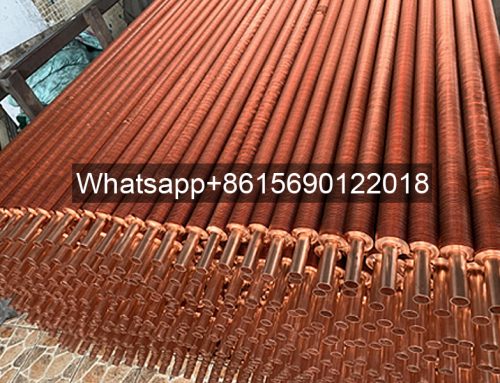
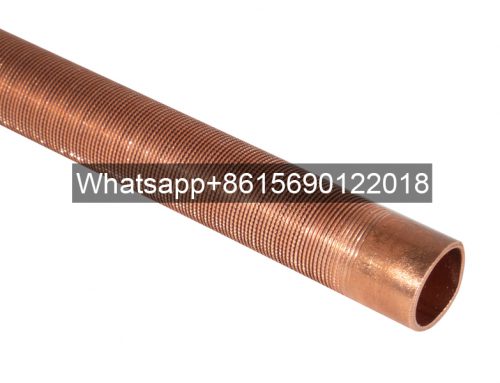
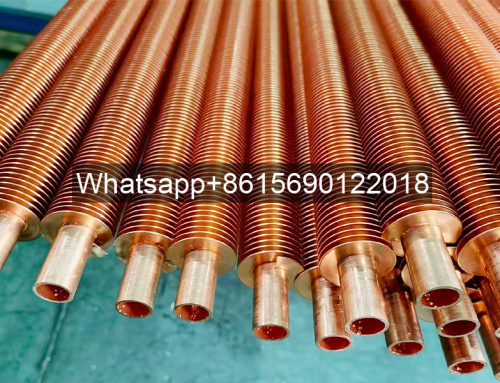
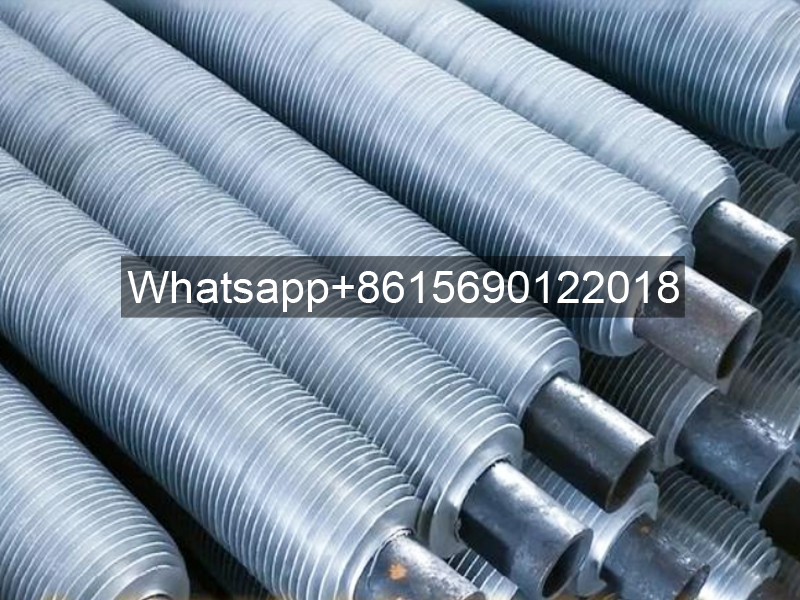
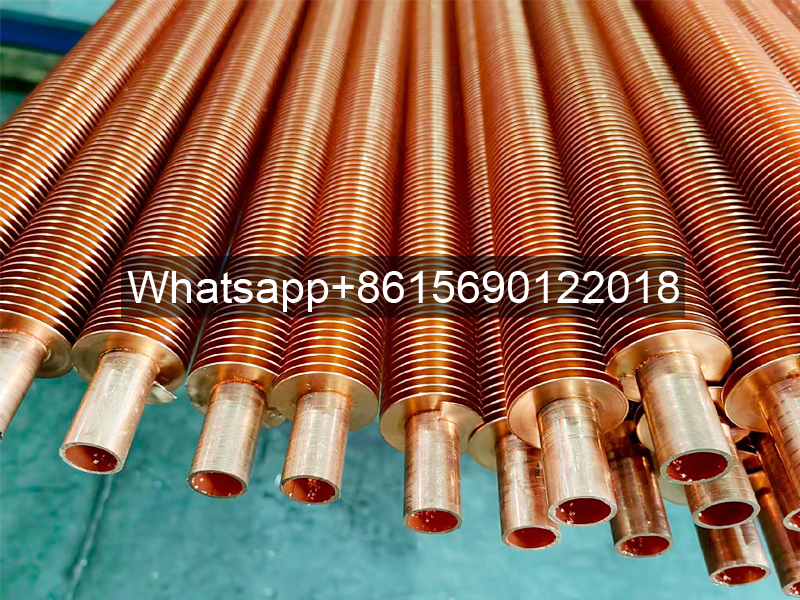
This specially structured tube uses high-frequency welding technology to tightly bond metal fins to the base tube, significantly expanding the heat exchange area. This effectively solves the problems of low heat exchange efficiency and high energy consumption associated with traditional bare tubes, and is widely used in power, chemical, metallurgical, and building heating industries.
I. Technical Principles: The Core Advantages of High-Frequency Welding
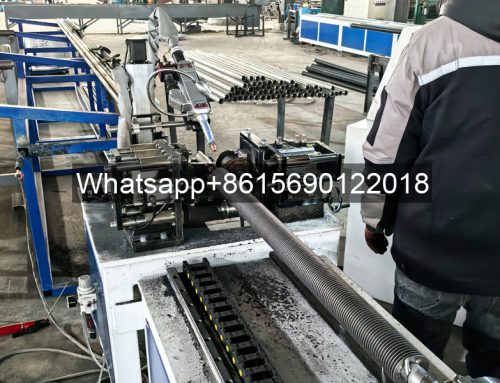
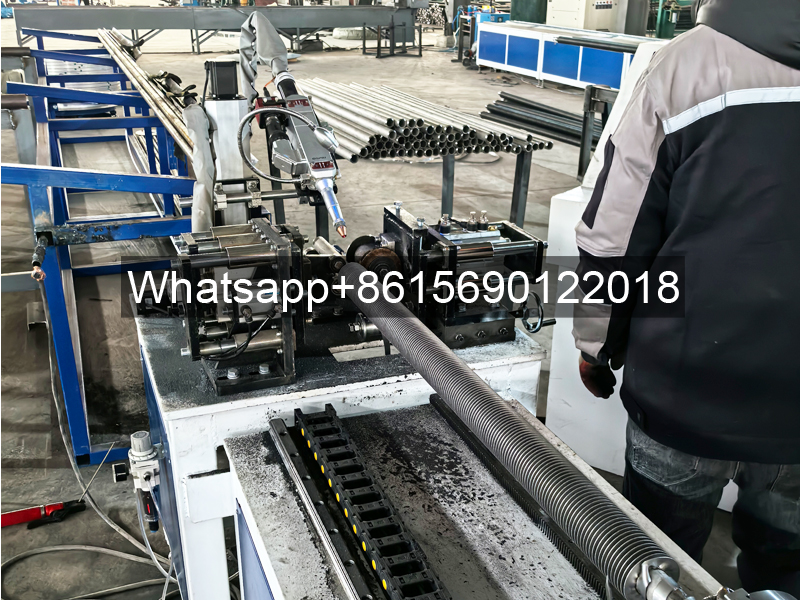
The core of manufacturing high-frequency welded steel finned tubes lies in high-frequency induction welding technology. This technology utilizes the electromagnetic induction effect generated by high-frequency current to rapidly heat the contact area between the base tube (usually seamless steel pipe) and the fins (mostly steel strips or plates) to a plastic state. Then, mechanical pressure is used to tightly fuse the two together, forming a seamless, high-strength integrated structure.
Compared to traditional brazing and resistance welding, high-frequency welding has three major advantages: First, it heats up quickly, with localized temperature rise requiring only 0.1-0.5 seconds, avoiding material performance degradation in the base tube and fins due to prolonged high temperatures; second, it produces stable welding quality, with a uniform fusion surface and no flux residue, reducing the risk of corrosion during later use; and third, it boasts high production efficiency, enabling continuous automated production, with a single production line capable of producing over a thousand meters per day, meeting the needs of large-scale projects.
II. Structural Features: Balancing Efficiency and Durability
The structural design of high-frequency welded steel finned tubes revolves around two main objectives: “enhanced heat transfer” and “extended lifespan.”
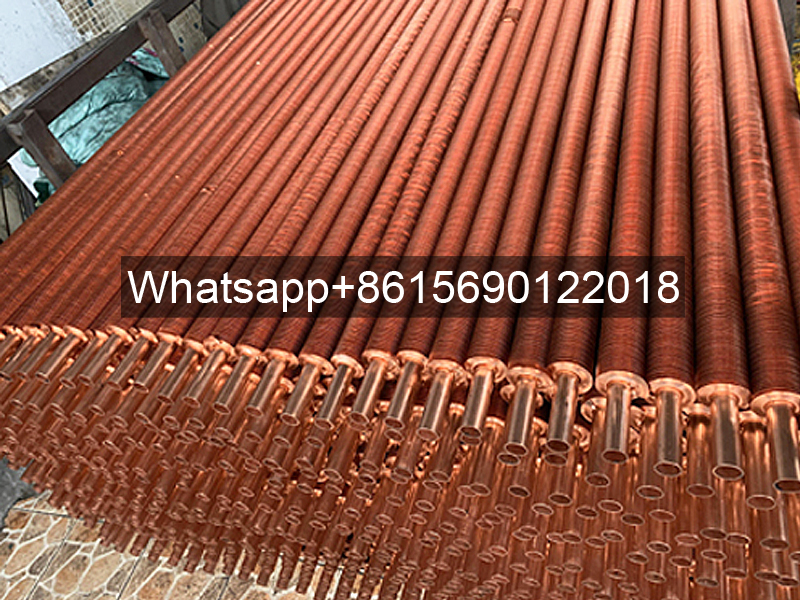
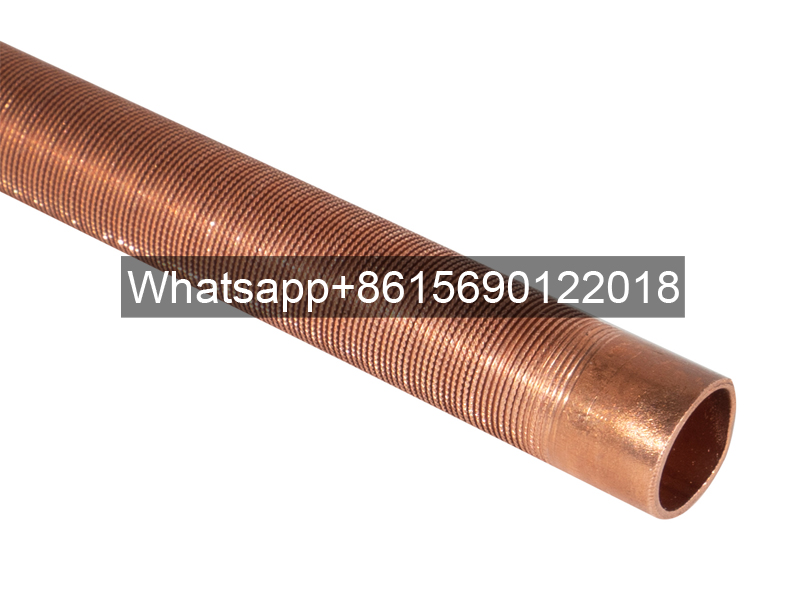
Structurally, it mainly consists of two parts: a base tube and fins. The base tube is typically made of high-quality carbon steel such as Q235 or 10# steel, or stainless steel, ensuring good pressure resistance and impact resistance. The tube diameter is mostly DN15-DN200, which can be flexibly selected according to the pressure requirements of the heat exchange system. The fins are made of cold-rolled steel strip, processed into a spiral or annular shape using specialized molds. The fin height is generally 8-25mm, and the pitch is 3-15mm. Different parameter combinations can adapt to different heat exchange media and operating conditions.
In terms of structural advantages, the bonding strength between the fins and the base tube is over 150MPa, far exceeding the national standard requirement of 80MPa. It can withstand thermal expansion and contraction under high temperature and high pressure, as well as media erosion, preventing fin detachment. Simultaneously, the spiral fin design guides the fluid to form turbulence, reducing the boundary layer thickness. Compared to bare tubes, the heat exchange area is expanded by 3-8 times, and the heat exchange efficiency is increased by 40%-80%, significantly reducing system energy consumption.
III. Performance Advantages: Adaptable to Complex Operating Conditions
The performance advantages of high-frequency welded steel finned tubes enable them to adapt to a variety of complex application scenarios. Firstly, they offer excellent temperature and pressure resistance. The combination of high-quality steel and high-frequency welding technology allows for long-term stable operation within a temperature range of -40℃ to 400℃ and a pressure environment of 1.6-6.4MPa, meeting the high-temperature and high-pressure requirements of industrial boilers, waste heat recovery, and other applications.
High-frequency welded steel finned tubes also possess strong corrosion resistance. Through galvanizing, plastic coating, or the use of stainless steel, they effectively resist corrosion from acidic and alkaline media and humid environments, achieving a service life of 10-15 years in fields such as chemical wastewater treatment and marine engineering.
These tubes are also easy to clean. The smooth fin surface is not prone to dust and scale accumulation. Routine maintenance only requires high-pressure water cleaning or chemical cleaning to restore heat exchange performance, reducing operation and maintenance costs.
IV. Application Areas: Wide Coverage from Industrial to Civil Use
With its excellent comprehensive performance, high-frequency welded steel finned tubes have become a “heat exchange tool” for many industries.
In the industrial sector, it is used in boiler air preheaters in power plants, reactor heat exchangers in chemical plants, and waste heat recovery systems in metallurgical plants, achieving energy recycling through efficient heat exchange and helping enterprises save energy and reduce emissions.
In the HVAC field, as a core component of radiators and air heaters, it is widely used in heating systems of shopping malls, office buildings, and residences. Compared to traditional radiators, it heats up 30% faster and provides more uniform heat distribution, improving indoor comfort.
In the agricultural sector, it is used for hot air heating in greenhouses and water temperature control in aquaculture, providing a stable environment for crop growth and aquaculture.
V. Installation and Maintenance: Ensuring Long-Term Efficient Operation
To fully utilize the performance of high-frequency welded steel finned tubes, installation and maintenance must follow professional specifications. During installation, appropriate supports and connection methods should be selected according to the pipe specifications to ensure a reasonable pipe slope and avoid liquid accumulation and corrosion.
The finned parts should be protected from impact and deformation to prevent affecting heat exchange efficiency. In routine maintenance, the pipe surface should be regularly inspected for corrosion, fin detachment, and other problems. A comprehensive cleaning and pressure test should be performed every 1-2 years. For pipes operating under high-temperature conditions, the operational status of the thermal expansion compensation device should also be monitored to prevent pipe damage caused by thermal stress.
With the increasing demand for energy conservation and environmental protection, high-frequency welded steel finned tubes are developing towards greater efficiency, durability, and lightweight.
In the future, through material upgrades (such as the use of titanium alloys and composite materials) and structural optimizations (such as the development of serrated and corrugated fins), their heat exchange efficiency and application range will be further expanded, providing stronger technical support for industrial green transformation and the upgrading of residential heating.