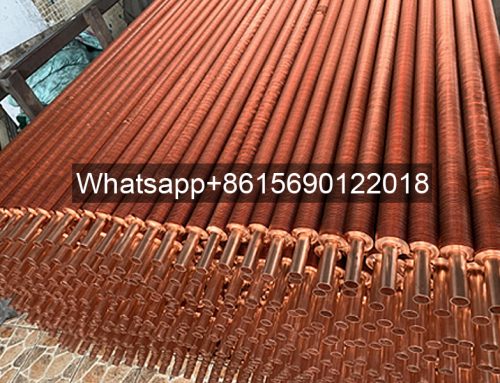
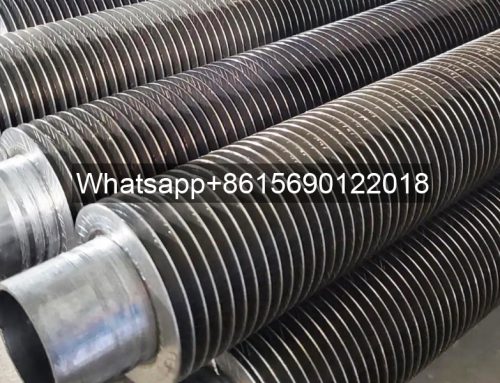
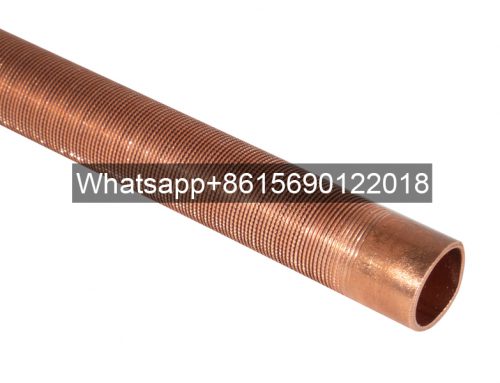
Bimetallic Finned Tubes: The Ultimate Guide to High-Efficiency Heat Transfer
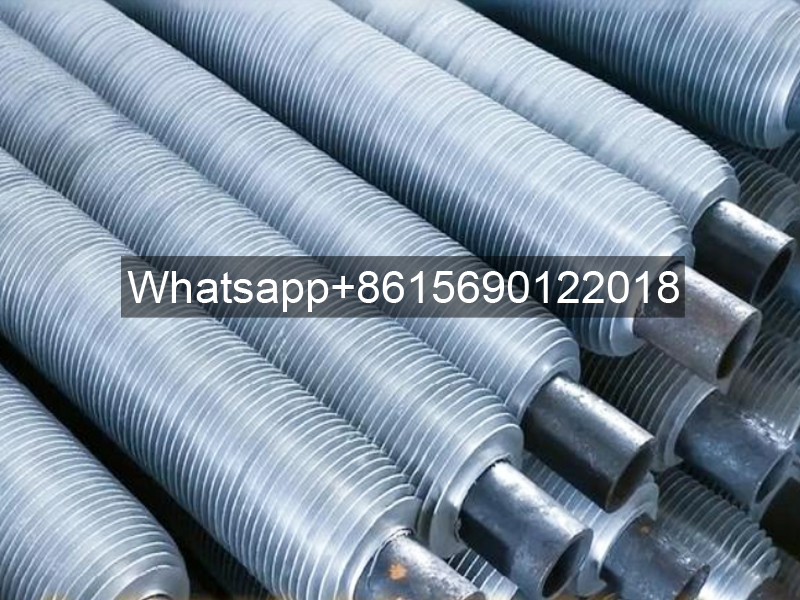
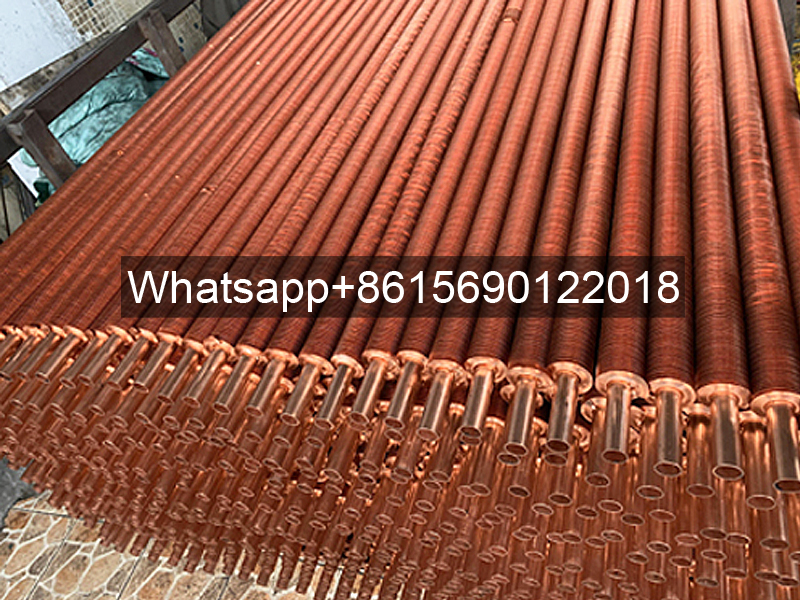
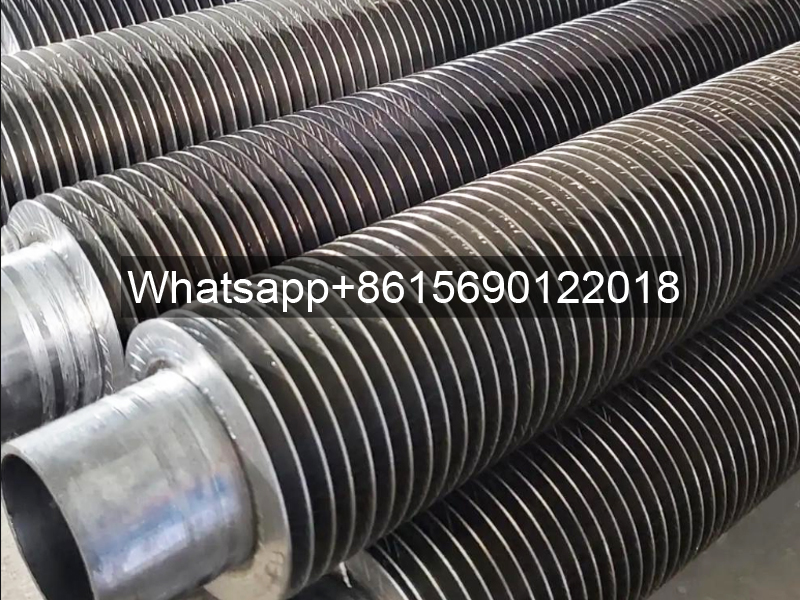
Bimetallic finned tubes represent a breakthrough in heat exchanger technology, combining the strength of steel with the thermal conductivity of aluminum or copper alloys. This guide explores their engineering advantages, real-world applications, and technical specifications to help you make informed decisions for industrial thermal management.
1. Structural Composition and Working Principle
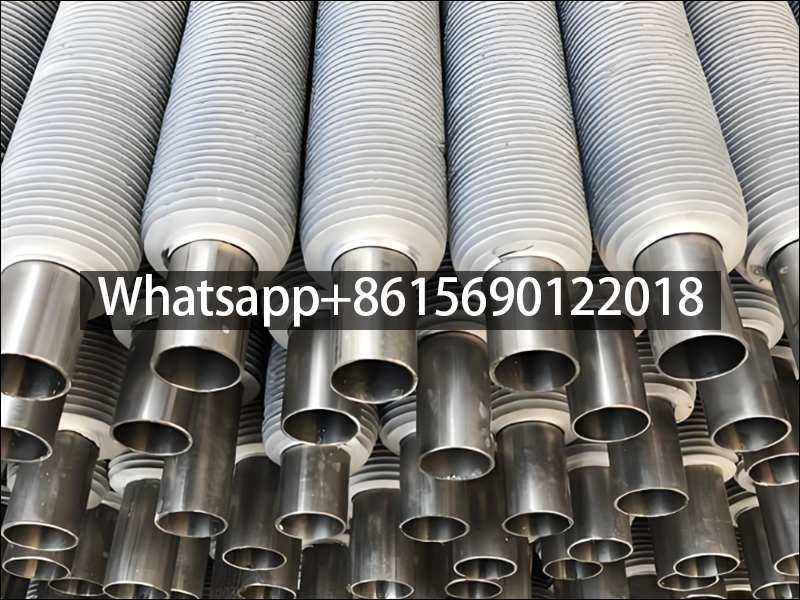
Bimetallic finned tubes consist of two primary components:
- Base tube: Typically made of carbon steel (ASTM A179) or stainless steel (304/316) for structural integrity and pressure resistance
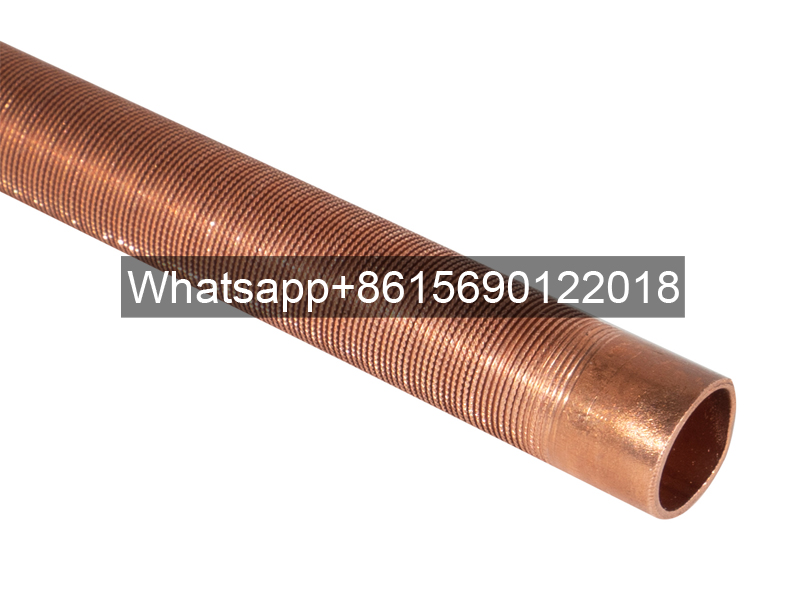
- Finned layer: Usually aluminum (6063-T5) or copper (TP2) alloys bonded through mechanical expansion or welding processes
The bimetallic construction achieves:
- 40-60% higher heat transfer efficiency compared to single-material tubes
- 30-50% cost savings versus solid copper alternatives
- Superior corrosion resistance due to aluminum’s oxide protective layer
2. Key Performance Advantages
| Performance Metric | Improvement vs. Single-Metal Tubes | Test Conditions |
|---|---|---|
| Heat Transfer Coefficient | +45% | Air velocity: 3 m/s |
| Pressure Resistance | 2.5-4.0 MPa | Water test at 20°C |
| Thermal Cycling Life | 3× longer | -30°C to 300°C |
| Weight per Unit Length | 35% lighter | Φ38mm standard size |
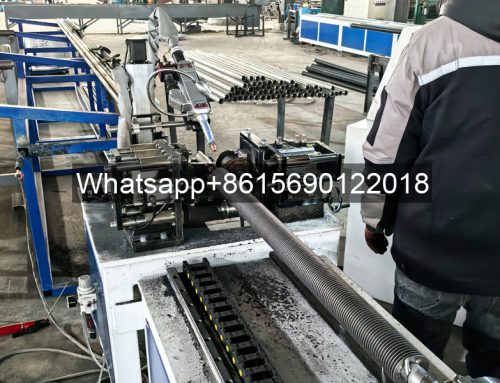
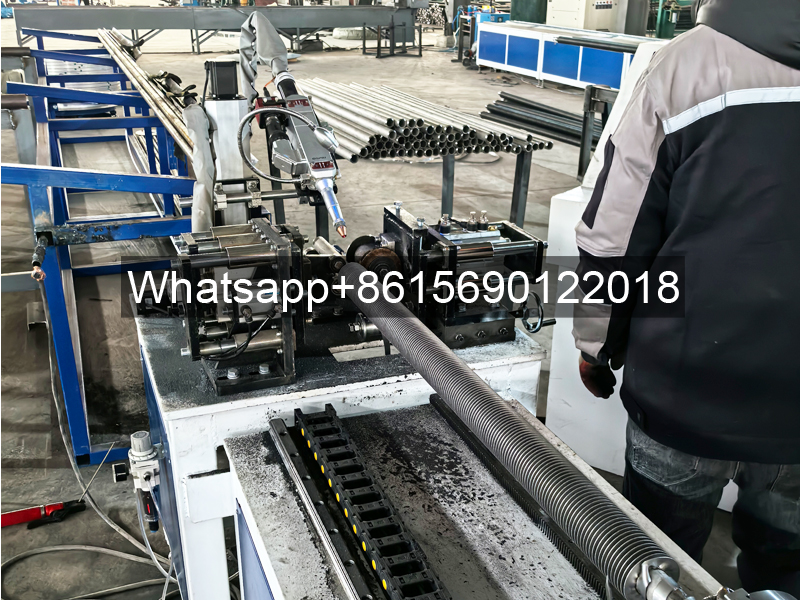
Extruded Finned Tube Bimetallic Finned Tubes Machine
3. Real-World Application Case Studies
Case Study 1: Power Plant Air Preheater Upgrade
A 500MW coal-fired plant in Germany replaced carbon steel tubes with bimetallic finned tubes (steel base + aluminum fins), achieving:
- 12% increase in boiler efficiency
- 18-month payback period through fuel savings
- 30% reduction in maintenance frequency
Case Study 2: Petrochemical Reactor Cooling
A ethylene plant in Texas implemented U-bend bimetallic finned tubes for reactor cooling:
- 56% decrease in heat loss rate
- 40% improvement in temperature control accuracy
- Extended service life from 3 to 8 years
Case Study 3: Data Center Heat Recovery
Uses bimetallic finned tubes for server waste heat recovery:
- 22% reduction in cooling energy consumption
- Annual savings of $280,000 per 10MW rack
- CO₂ reduction of 1,500 tons/year
4. Technical Specifications for Selection
| Parameter | Standard Range | Special Options |
|---|---|---|
| Outer Diameter | 25-50mm | Custom up to 100mm |
| Fin Height | 15-25mm | 5-30mm available |
| Fin Spacing | 2.5-5mm | 1.5-8mm options |
| Material Combination | CS/Al, SS/Cu | Titanium/Nickel |
| Max Working Temp | 300°C | 450°C (special alloys) |
| Surface Area Ratio | 3:1 to 5:1 | Up to 8:1 (Hi-fin) |
5. Industry Trends and Innovations
- 3D Finned Designs: New helical and spiral patterns increase turbulence for 15-20% better heat transfer
- Smart Monitoring: Integrated temperature sensors enable real-time performance tracking
- Hybrid Coatings: PTFE and ceramic coatings extend service life in corrosive environments
- Additive Manufacturing: Laser-cladding techniques allow precise material deposition
6. Maintenance Best Practices
- Cleaning: Use low